
Reclaiming control after a phishing attack
If a phishing attack has resulted in lost funds, it is crucial to act. Our team provides the expert support needed to navigate the recovery process.

How do phishing scams work?
-

Gaining information
-

Creating urgency
-

The malicious message
Overview of phishing techniques
Spear phishing
Start your claim
Email phishing
Start your claim
Smishing: SMS text scams
Start your claim
Whaling: targeting executives
Start your claim
Vishing: voice and phone call
Start your claim
Clone phishing
Start your claim
Pharming
Start your claim
We are can help
Why Refund Agency?
Your recovery is our priority. We provide every client with a personalized action plan and dedicated support from our specialists, available to you around the clock.
-

Individual recovery strategies
-
24/7 support for fraud victims
-

FCA-regulated service
Meet the Team
Recovering over $33,000,000 for clients like you
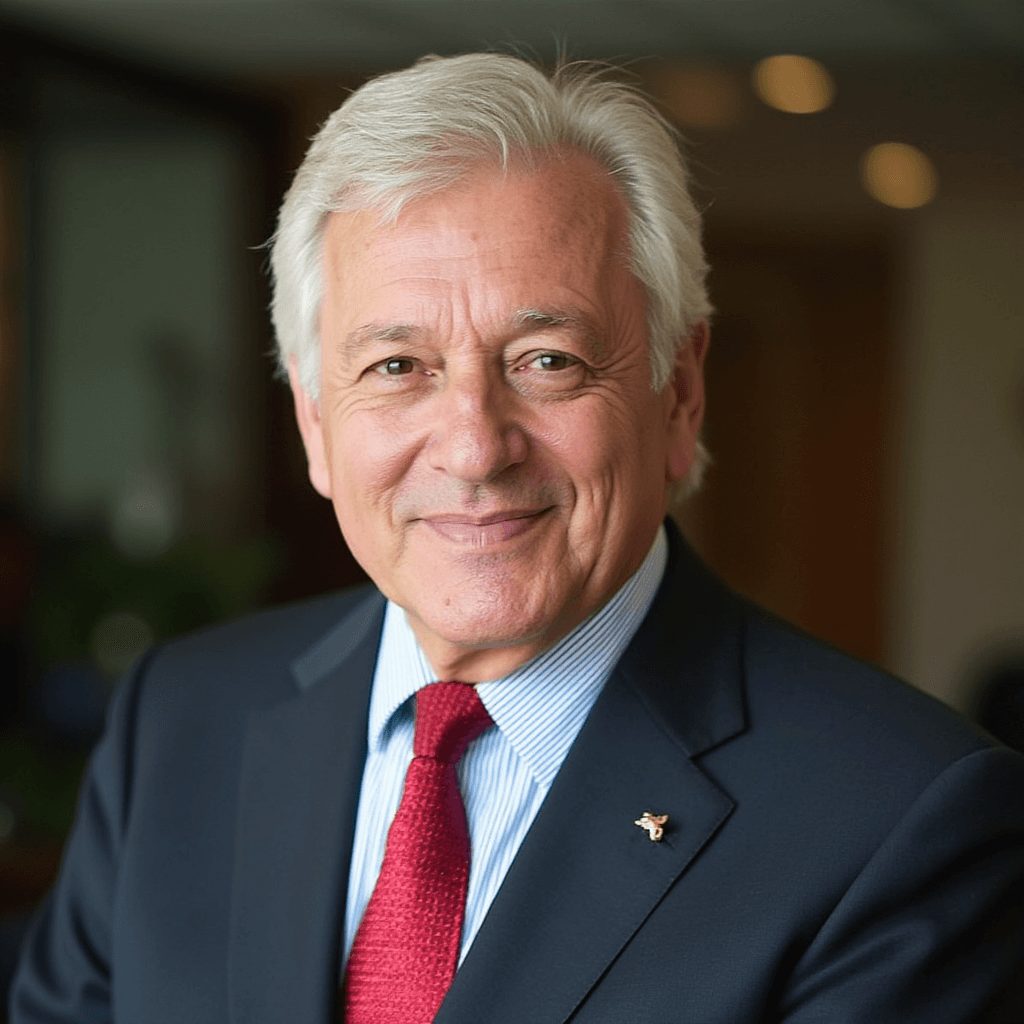
Daniel Sullivan
Founder & CEO
Daniel Sullivan is the founder and CEO of Refund Agency, a leading organization dedicated to helping victims of fraud recover their assets. Born in Canada, Daniel has built a distinguished career spanning over three decades in financial investigation and risk management. Witnessing the devastating impact of sophisticated online scams, Daniel was driven to create a […]

Natalie Rossi
Chief Operating Officer
I bring over 15 years of experience in financial operations, blockchain systems, and digital asset recovery — and I proudly serve as Chief Operating Officer at the heart of our mission to restore what’s been lost. My role is all about building clarity and structure into the recovery journey. From designing scalable workflows to leading […]

Elena Hartman
Chief Financial Officer
I’ve spent the past 23 years building and refining systems that keep financial operations clean, compliant, and resilient — across both traditional institutions and the rapidly evolving world of digital assets. Today, as Chief Financial Compliance Officer, I oversee the structure and safeguards that protect our clients, our company, and the integrity of every recovery […]

Caleb Reed
Head of Digital Asset Recovery
My journey into this field began over a decade ago, when I started working in financial investigations and risk analysis. As crypto emerged, I was quick to see the potential—but also the vulnerabilities. I began specialising in blockchain forensics, smart contract tracing, and fraud pattern analysis long before most people knew what a private key […]

Jonathan Mitchell
Head of Support Team
As Head of the Support Team, my role is to make sure every client feels heard, supported, and taken care of throughout the recovery process. I lead a team of dedicated agents who communicate with clients daily, answer their questions, and keep them informed at every step of their case. With years of experience in […]

Adrienne Martin
Head of Compliance
My job goal to make sure everything we do as a company is legally sound, ethically responsible, and fully aligned with financial regulations. I oversee how we manage sensitive data, handle recovery cases, and follow anti-fraud and anti-money laundering (AML) protocols — especially when dealing with blockchain transactions. With a strong background in financial law […]

Robert Fisher
Senior Investigator
I focus on tracking down lost or stolen digital assets and uncovering the full story behind each case. Using blockchain tools, transaction analysis, and pattern detection, I work to trace where the funds went — and help build a clear path toward recovery. With years of experience in fraud investigation and crypto forensics, I’ve seen […]

Eric Levine
Senior Recovery Manager
I’ve been in the financial recovery field for over 14 years, with a strong background in digital asset tracking and blockchain compliance. Before joining this company, I worked with legal consultants focusing on fraud analytics in the crypto sector. Here, I specialize in handling high-profile recovery cases involving complex smart contracts. To date, I’ve successfully […]

Alana Phillips
Recovery Support Associate
I work in the crypto recovery department, helping people track and recover funds lost through scams or unauthorized transactions. My job is to follow the movement of digital assets, investigate where the money went, and support each case from the first report to the final steps of recovery. To me, this isn’t just about numbers […]

Marketa Novotna
Recovery Assistant
My name is Marketa Novotna, and I am a Recovery Assistant with the team. As the primary point of contact for our clients, my most important role is to be your guide and advocate from our very first conversation. Originally from the Czech Republic, I bring a dedicated and meticulous approach to every case, ensuring […]

Ethan Moreau
Recovery Assistant
My name is Ethan Moreau, and as a Recovery Assistant at Refund Agency, I serve as your dedicated point of contact throughout the recovery process. Originally from Bordeaux, France, I believe that everyone who has been wronged deserves a staunch advocate to fight for them. My role is to be that advocate for you, guiding […]

Author: Khairul A. (Malaysia)
07/03/2024
Got frustrated with how long it took to get replies. There were days I didn’t hear anything back, and that made me doubt if my case was really being worked on. In the end, they did recover some of my funds, but the lack of consistent updates affected my review.

Author: Brain J. (Canada)
19/01/2023
There were moments when I didn’t fully understand what was happening with the blockchain steps. I had to ask a few times before it clicked. But to be fair, they always replied and eventually helped me get back over half of what I lost.

Author: Monica L. (Australia)
23/09/2022
Glad I didn’t give up. After being scammed several time, I trusted and stayed very grateful for a result even if it wasn’t the full amount. Special thanks crypto recovery division.

Author: Amira Y. (Singapore)
21/06/2023
Mixed feelings at first because I’d already been scammed once, so trust was hard. But in the end, they proved themselves. Got a partial recovery but more than happy with the result. Thanks to Eric.

Author: Nathan B. (Canada)
25/06/2024
They helped me get back funds from a fake trading site. The case manager was kind and stayed in touch. It took around 2 weeks.

Author: Natalie D. (Canada)
22/04/2025
After trying everything, I was exhausted and ready to stop pursuing my lost funds. They provided a new way forward with a structured approach that shows they really know their business. It’s not a fast solution, but it is effective. My special thanks go to Mr. Levine for his excellent support.

Author: Sofia B. (Sweden)
06/09/2024
Very good service with strong technical understanding. They recovered a large part of my crypto after I was scammed last year. About 85% and I am the happiest person in the world now. Thank you sooo much!!

Author: Jonas E. (Sweden)
04/03/2025
Even though I was hesitant at first and the timeline was slightly extended, I’m happy to report that I recovered most of my funds. Throughout the process, Eric was very supportive and always available to address my concerns. For anyone in a similar situation, I would recommend their service. Thank you.

Author: Ethan C. (Canada)
18/10/2022
I worked with a few other services before, but this company actually got results. The process was structured and based on real blockchain verification. I was surprised how much they uncovered from my original transaction history. Took a few extra days due to a blockchain review, but it was worth the wait😊

Author: Rachel T. (Singapore)
13/11/2024
Communication could’ve been a bit faster at certain points, especially during the compliance stage, but overall I’m satisfied with the outcome. They helped me trace and recover funds I had written off months ago. The agent was patient and gave me realistic expectations. Just be ready for a bit of a wait!

Author: Aiden C. (Singapore)
09/02/2023
I was honestly nervous at first because it was taking longer than I thought it would, and a few quiet days without updates made me worry. But, they came through in the end and helped me get back a good chunk of what I lost. The timing could have been better, but this service is definitely real and it works! God bless you.

Phishing scams: FAQs
-
How can I avoid phishing scams?
While scammers constantly update their tactics, you can avoid most phishing scams by practicing good cybersecurity hygiene:
- Use strong, unique passwords: Avoid using the same password for multiple important accounts.
- Enable two-factor authentication (2FA): This provides a crucial extra layer of security for your logins.
- Be cautious with unknown emails: Never click links or download attachments from unfamiliar senders. If an email looks suspicious (e.g., spelling errors), verify the sender’s address independently.
- Keep your software updated: Device updates contain vital security patches that protect you from vulnerabilities exploited by scammers.
-
How can I prevent a specific phishing attack?
Preventing an attack in the moment is your best line of defense. Never click suspicious links in unexpected emails or texts, as this is the most common way scammers install malware or steal information. Carefully examine the sender’s email address and any website URLs for subtle mistakes, as phishers often create near-identical clones of trusted websites. Having 2FA enabled can also prevent scammers from accessing your accounts even if they manage to steal your password.
-
What can I do if my crypto wallet was hacked via phishing?
Phishing is a prominent method for hacking crypto wallets. If your accounts have been compromised in a phishing scam, it is crucial to act quickly. Do not hesitate to contact our team here at Refund Agency. While no recovery is guaranteed, we offer bespoke advice based on years of experience. Please contact our team today to begin assessing your case.
-
Where does the word phishing come from?
The term «phishing» is a play on the word «fishing.» It reflects how criminals «dangle a lure»—such as a convincing email or website—hoping an unsuspecting victim will «bite.» When they do, the victim provides the requested information, like account numbers or passwords, which the criminal then steals.
-
Why are phishing scams such a significant threat?
Phishing scams are a major issue because they are a cheap and highly effective method for criminals. The basic tactics require little cost but can result in widespread and devastating cyberattacks, leading to large financial losses. For victims, the impact is not only financial; it often includes identity theft and the loss of sensitive personal data, which can be equally devastating.